- Your cart is empty
- Continue Shopping

Shipping Container Home Designs and Plans: A Complete Guide to Modern Sustainable Living
-
admin
- Posted on
- 0 comments

Shipping Container Home Designs and Plans: A Complete Guide to Modern Sustainable Living
The demand for innovative and affordable housing solutions continues to grow, and one of the most exciting trends in modern architecture is the rise of shipping container homes. With their durability, flexibility, and eco-friendly appeal, shipping container homes have become a popular choice for homeowners seeking a unique living space. If you’re considering this housing option, understanding the best shipping container home designs and plans is the first step toward creating your dream home.
What Are Shipping Container Homes?
Shipping container homes are residential structures built using repurposed steel shipping containers that were originally designed for transporting goods across the globe. These containers provide a strong and versatile framework that can be transformed into stylish, functional living spaces.
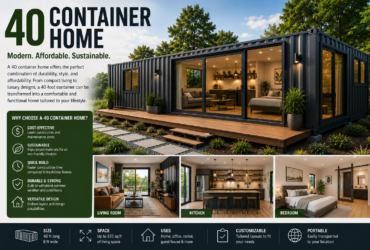
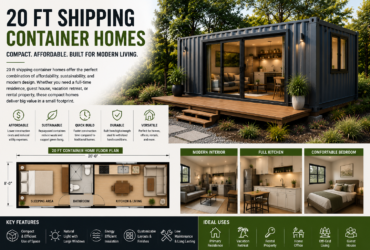
Available in standard sizes such as 20-foot and 40-foot containers, they can be used individually or combined to create larger homes with multiple rooms, open-concept layouts, and modern amenities.
Benefits of Shipping Container Home Designs
Cost-Effective Construction
One of the primary reasons people explore shipping container home designs and plans is affordability. While costs vary depending on customization and location, container homes can often be built for less than traditional houses.
Environmentally Friendly
Repurposing shipping containers reduces waste and gives new life to materials that might otherwise sit unused. Many container homeowners also incorporate solar power, rainwater collection systems, and energy-efficient insulation to further reduce their environmental impact.
Durability and Strength
Shipping containers are designed to withstand harsh weather conditions and heavy loads during transport. Their steel construction provides exceptional strength and longevity when properly maintained.
Design Flexibility
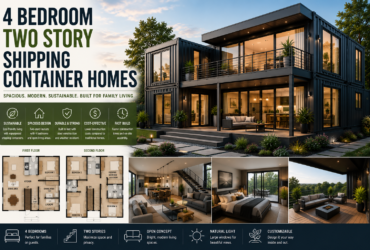
Modern shipping container home designs can range from minimalist tiny homes to luxurious multi-story residences. Containers can be stacked, arranged side-by-side, or modified to create unique architectural styles.
Popular Shipping Container Home Designs
Single-Container Tiny Homes
A single 20-foot or 40-foot container can be converted into a compact yet comfortable living space. These designs typically feature:
- Open living and sleeping areas
- Compact kitchens
- Space-saving furniture
- Small bathrooms
- Energy-efficient systems
These homes are ideal for individuals, couples, or vacation rentals.
Multi-Container Family Homes
For larger families, multiple containers can be combined to create spacious floor plans. Common layouts include:
- Three-bedroom homes
- Open-concept kitchens and living rooms
- Home offices
- Outdoor patios
- Rooftop decks
Multi-container designs offer the comfort of traditional homes while maintaining the unique appeal of container architecture.
Luxury Container Homes
Luxury shipping container home designs and plans often incorporate premium finishes, large glass windows, smart home technology, and custom landscaping. These homes demonstrate that sustainable living can also be elegant and sophisticated.
Container Home Communities
An emerging trend involves container home developments where multiple units are built within a shared community. These projects provide affordable housing solutions while fostering a sense of neighborhood and sustainability.
Essential Elements of Shipping Container Home Plans
When selecting or creating shipping container home plans, several factors should be considered:
Floor Plan Optimization
Because containers have a narrow width, efficient space planning is crucial. Open layouts and multi-functional furniture help maximize living areas.
Insulation and Climate Control
Steel containers conduct heat and cold efficiently, making proper insulation essential. Spray foam insulation is a popular choice for maintaining comfortable indoor temperatures.
Windows and Natural Light
Strategically placed windows, sliding glass doors, and skylights can make container homes feel larger and more inviting while reducing energy consumption.
Structural Modifications
Cutting openings for windows and doors may require additional structural reinforcement. Working with experienced architects and engineers helps ensure safety and compliance with local building codes.
Choosing the Right Shipping Container Home Design
Before selecting a design, consider:
- Your budget
- Property size
- Local zoning regulations
- Number of occupants
- Climate conditions
- Future expansion needs
A well-designed plan balances aesthetics, functionality, and long-term sustainability.
Common Challenges and How to Overcome Them
While shipping container homes offer many benefits, they also present unique challenges:
Building Permits
Local regulations vary significantly. Research zoning requirements and building codes before beginning your project.
Insulation Requirements
Without proper insulation, container homes can become uncomfortable in extreme temperatures. Investing in quality insulation helps improve energy efficiency and comfort.
Moisture Control
Condensation can occur inside steel containers. Proper ventilation and moisture barriers help prevent mold and corrosion.
Transportation Costs
Moving containers to your site can add to overall project expenses. Factoring transportation into your budget early can help avoid surprises.
The Future of Shipping Container Homes
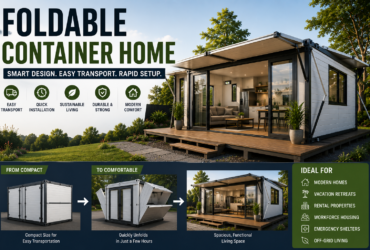
As sustainable construction continues to gain momentum, shipping container home designs and plans are becoming increasingly sophisticated and accessible. Advances in modular construction, renewable energy integration, and smart home technology are making container homes an attractive option for homeowners worldwide.
Whether you’re looking for an affordable starter home, a vacation retreat, or a custom luxury residence, shipping container homes offer a creative and environmentally conscious alternative to traditional housing.
Conclusion
Shipping container home designs and plans provide a unique blend of affordability, sustainability, and architectural creativity. From compact tiny homes to expansive multi-container estates, there are endless possibilities for designing a space that fits your lifestyle and budget. By carefully selecting the right plan and addressing key considerations such as insulation, layout, and local regulations, you can create a durable and stylish home that stands out for years to come.