- Your cart is empty
- Continue Shopping

Why Container Homes Are Becoming the Future of Affordable Housing in 2026
-
admin
- Posted on
- 0 comments

Why Container Homes Are Becoming the Future of Affordable Housing in 2026
Housing affordability remains one of the biggest challenges facing families, young professionals, retirees, and investors around the world. Rising property prices, increasing construction costs, labor shortages, and growing demand for sustainable living solutions have created a housing environment where traditional homeownership feels out of reach for millions of people.
As we move through 2026, a new housing movement continues to gain momentum: container homes.
What was once considered an unconventional architectural experiment has evolved into a practical, stylish, and increasingly mainstream housing solution. Modern shipping container homes now offer attractive designs, energy efficiency, durability, and affordability while addressing some of the most pressing housing challenges of our time.
The growing popularity of container homes is not simply a trend. It reflects a larger shift toward smarter construction methods, sustainable development, and flexible housing solutions that meet modern lifestyle needs.
This article explores why container homes are becoming the future of affordable housing and why homeowners, developers, investors, and governments are paying close attention to this innovative approach.
Understanding Container Homes
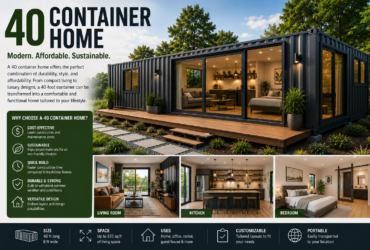
Container homes are residential structures built using repurposed or modified shipping containers. These steel containers, originally designed for global transportation, are transformed into comfortable living spaces through insulation, structural modifications, interior finishing, and utility installations.
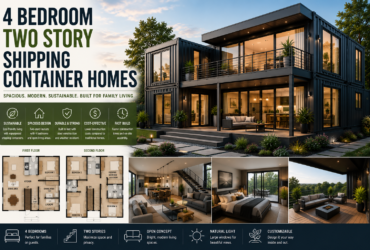
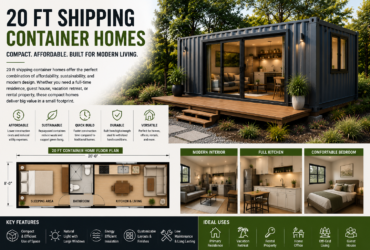
Modern container homes can range from compact single-container studios to luxurious multi-container residences featuring spacious floor plans, premium finishes, smart home technology, and energy-efficient systems.
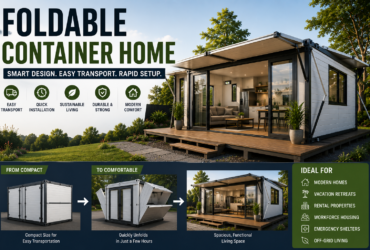
Many manufacturers now offer turnkey container homes that arrive nearly complete, significantly reducing construction timelines and simplifying the building process.
This evolution has transformed container housing from a niche concept into a legitimate housing alternative.
The Affordable Housing Crisis Driving Demand
One of the primary reasons container homes are becoming more popular is the growing affordability crisis affecting many regions worldwide.
Traditional housing costs have increased dramatically due to several factors:
- Rising land values
- Increased construction material costs
- Skilled labor shortages
- Higher financing expenses
- Regulatory requirements
- Longer construction timelines
For many potential homeowners, purchasing a traditional house requires significant financial resources and years of saving.
Container homes provide an alternative pathway to homeownership by reducing several major cost drivers associated with conventional construction.
While costs vary depending on design, location, and customization, container homes often provide a more accessible entry point into the housing market.
Faster Construction Means Lower Costs
One major advantage of container homes is construction speed.
Traditional homes often take several months or even years to complete. Delays caused by weather, labor shortages, supply chain disruptions, and permitting issues can significantly increase project costs.
Container homes benefit from a partially completed structural framework from the start.
The walls, floors, and roof already exist, reducing the amount of construction work required.
Many prefabricated container homes can be completed in weeks rather than months, creating substantial savings in labor and project management expenses.
Faster construction not only reduces costs but also allows homeowners to move in sooner and investors to generate rental income more quickly.
Sustainability Is No Longer Optional
Another major factor contributing to the growth of container housing is sustainability.
Environmental concerns have become increasingly important for consumers, developers, and governments alike.
Shipping containers represent a unique opportunity to reuse existing materials rather than consuming additional resources.
By repurposing containers, builders can help reduce industrial waste while extending the useful life of durable steel structures.
Many modern container homes also incorporate environmentally friendly features such as:
- Solar energy systems
- Energy-efficient appliances
- Smart climate control
- Rainwater harvesting
- Low-flow plumbing fixtures
- Sustainable insulation materials
- LED lighting systems
This combination of recycling and energy efficiency makes container homes attractive to environmentally conscious buyers.
Durability That Challenges Traditional Construction
A common misconception is that container homes are temporary structures.
In reality, shipping containers are engineered to withstand some of the harshest conditions on earth.
These structures are designed to endure:
- Ocean transportation
- Heavy stacking loads
- Extreme weather
- Corrosion-resistant environments
- Long-term exposure to the elements
When properly modified and maintained, container homes can remain structurally sound for decades.
Their steel construction often provides advantages over traditional wood-frame housing in certain environmental conditions.
This durability contributes to long-term value and lower maintenance requirements.
Smaller Footprints, Smarter Living
Modern homebuyers are increasingly prioritizing functionality over excessive square footage.
The shift toward minimalist living has encouraged many individuals to focus on efficient use of space rather than simply acquiring larger homes.
Container homes align perfectly with this trend.
Thoughtful design strategies allow container homes to include:
- Multi-purpose furniture
- Open-concept layouts
- Built-in storage
- Flexible living spaces
- Smart home automation
Rather than sacrificing comfort, container homeowners often discover that streamlined living can improve organization, reduce expenses, and enhance quality of life.
Container Homes Support Remote Work Lifestyles
The rise of remote work has changed how people think about housing.
Employees no longer need to live near major urban centers to maintain successful careers.
As a result, many buyers are exploring affordable housing options in rural, suburban, and scenic locations.
Container homes offer a practical solution because they can often be installed in areas where traditional construction may be more expensive or time-consuming.
Many remote workers are using container homes as:
- Primary residences
- Backyard offices
- Guest houses
- Vacation properties
- Hybrid live-work spaces
This flexibility significantly expands housing opportunities.
Lower Long-Term Ownership Costs
Many competitor articles focus solely on initial purchase prices.
However, long-term ownership costs are equally important.
Modern container homes can generate savings through:
- Reduced energy consumption
- Smaller maintenance budgets
- Lower utility expenses
- Efficient heating and cooling systems
- Smart energy monitoring
Over time, these operational savings may substantially reduce total housing costs compared to larger conventional homes.
Savvy buyers increasingly evaluate housing based on total cost of ownership rather than purchase price alone.
This perspective favors efficient container home designs.
The Rise of Prefabricated Housing
Container homes are part of a broader movement toward prefabricated construction.
Prefabrication allows significant portions of a home to be built in controlled factory environments.
Benefits include:
- Improved quality control
- Reduced waste
- Faster project completion
- Lower labor costs
- Consistent manufacturing standards
The housing industry is increasingly adopting industrialized construction methods to improve efficiency and affordability.
Container homes fit naturally within this transformation.
Growing Acceptance Among Local Governments
Historically, zoning regulations and building codes created challenges for container housing.
However, many jurisdictions have become more familiar with container-based construction over the past decade.
As affordable housing shortages continue, policymakers are increasingly exploring innovative housing solutions.
Some municipalities now support:
- Alternative housing programs
- Tiny home initiatives
- Accessory dwelling units (ADUs)
- Sustainable building projects
- Prefabricated housing developments
This growing acceptance helps legitimize container homes as a mainstream housing option.
Financing Is Becoming Easier
Financing has long been one of the biggest barriers to container home adoption.
Traditional lenders were often unfamiliar with container construction and hesitant to approve loans.
Today, the situation is improving.
As more container homes enter the market and demonstrate long-term performance, lenders are becoming increasingly comfortable with these properties.
Several financing options may now be available depending on location and project structure.
The growing availability of financing continues to support market expansion.
Container Homes as Investment Properties
One topic often overlooked by competitors is investment potential.
Container homes are increasingly used as income-generating assets.
Popular investment applications include:
- Vacation rentals
- Airbnb properties
- Eco-lodges
- Short-term rentals
- Rural tourism accommodations
- Guest houses
Their distinctive appearance and modern design often attract travelers seeking unique experiences.
In many markets, container-based vacation rentals command strong occupancy rates and premium nightly pricing.
This creates additional demand beyond traditional homeownership.
Technology Is Transforming Container Living
The future of housing is closely tied to technology.
Container homes are uniquely positioned to integrate modern smart-home systems.
Common features include:
- Automated lighting
- Smart security systems
- Remote climate control
- Energy monitoring
- Voice assistants
- Smart locks
- Solar battery management
These technologies improve convenience while helping homeowners reduce energy consumption.
Technology-enhanced living is becoming a major selling point for modern container homes.
Addressing Urban Housing Challenges
Cities around the world continue to struggle with housing shortages.
Container housing offers a potential solution for:
- Workforce housing
- Student housing
- Temporary housing
- Affordable housing developments
- Mixed-use communities
Because container units can often be manufactured more efficiently than conventional structures, they provide an attractive option for large-scale housing initiatives.
Urban planners increasingly view modular container construction as part of the affordable housing toolkit.
Resale Value Is Improving
Another area frequently neglected by competing articles is resale value.
As public awareness increases, container homes are gradually becoming more accepted among buyers.
Well-designed container homes located in desirable areas may retain strong market appeal.
Factors affecting resale value include:
- Construction quality
- Design aesthetics
- Energy efficiency
- Location
- Permitting compliance
- Market demand
The increasing normalization of container housing supports future resale opportunities.
Why Younger Generations Are Driving Adoption
Millennials and Generation Z face housing affordability challenges unlike previous generations.
Many younger buyers value:
- Sustainability
- Affordability
- Flexibility
- Design innovation
- Location independence
Container homes align closely with these priorities.
Rather than waiting years to afford a traditional property, many buyers are exploring alternative housing pathways that provide earlier access to homeownership.
This demographic trend is likely to continue supporting industry growth.
Luxury Container Homes Are Expanding the Market
Container housing is no longer limited to budget-conscious buyers.
Luxury container homes have emerged as a rapidly growing segment.
These premium residences often feature:
- High-end finishes
- Designer interiors
- Floor-to-ceiling windows
- Rooftop terraces
- Smart-home systems
- Premium appliances
Luxury projects demonstrate the versatility of container construction and help challenge outdated perceptions about container living.
What the Future Holds for Container Housing
Several powerful trends suggest continued growth throughout the coming decade:
- Housing affordability concerns
- Sustainable construction initiatives
- Prefabrication adoption
- Urban population growth
- Remote work flexibility
- Technological innovation
- Consumer demand for alternative housing
As these forces converge, container homes are positioned to play an increasingly important role in the future housing landscape.
While they may not replace traditional homes entirely, they offer a compelling solution for millions of people seeking affordability, efficiency, sustainability, and modern design.
Conclusion
Container homes represent far more than an architectural trend. They address some of the most significant challenges facing modern housing markets, including affordability, sustainability, construction efficiency, and lifestyle flexibility.
As technology improves, financing becomes more accessible, and public acceptance grows, container homes are moving steadily into the mainstream.
For first-time buyers, retirees, remote workers, investors, and environmentally conscious homeowners, container housing provides an innovative path toward achieving housing goals without many of the financial burdens associated with conventional construction.
In 2026 and beyond, container homes are not simply an alternative housing option. They are becoming a key part of the future of affordable housing worldwide.
FAQ Schema Opportunities
Are container homes cheaper than traditional houses?
In many cases, container homes can be more affordable due to faster construction timelines, reduced labor requirements, and efficient use of materials.
How long do container homes last?
A properly constructed and maintained container home can last several decades, often comparable to conventional residential structures.
Can container homes be financed?
Yes. Financing options continue to expand as container homes gain broader acceptance among lenders and financial institutions.
Are container homes environmentally friendly?
Many container homes promote sustainability through material reuse, energy efficiency, solar integration, and reduced construction waste.
Do container homes increase property value?
Well-designed container homes that comply with local regulations and are located in desirable areas may maintain strong resale appeal.