- Your cart is empty
- Continue Shopping

Shipping Container Home Planner: Design, Budget & Build Smarter
-
admin
- Posted on
- 0 comments
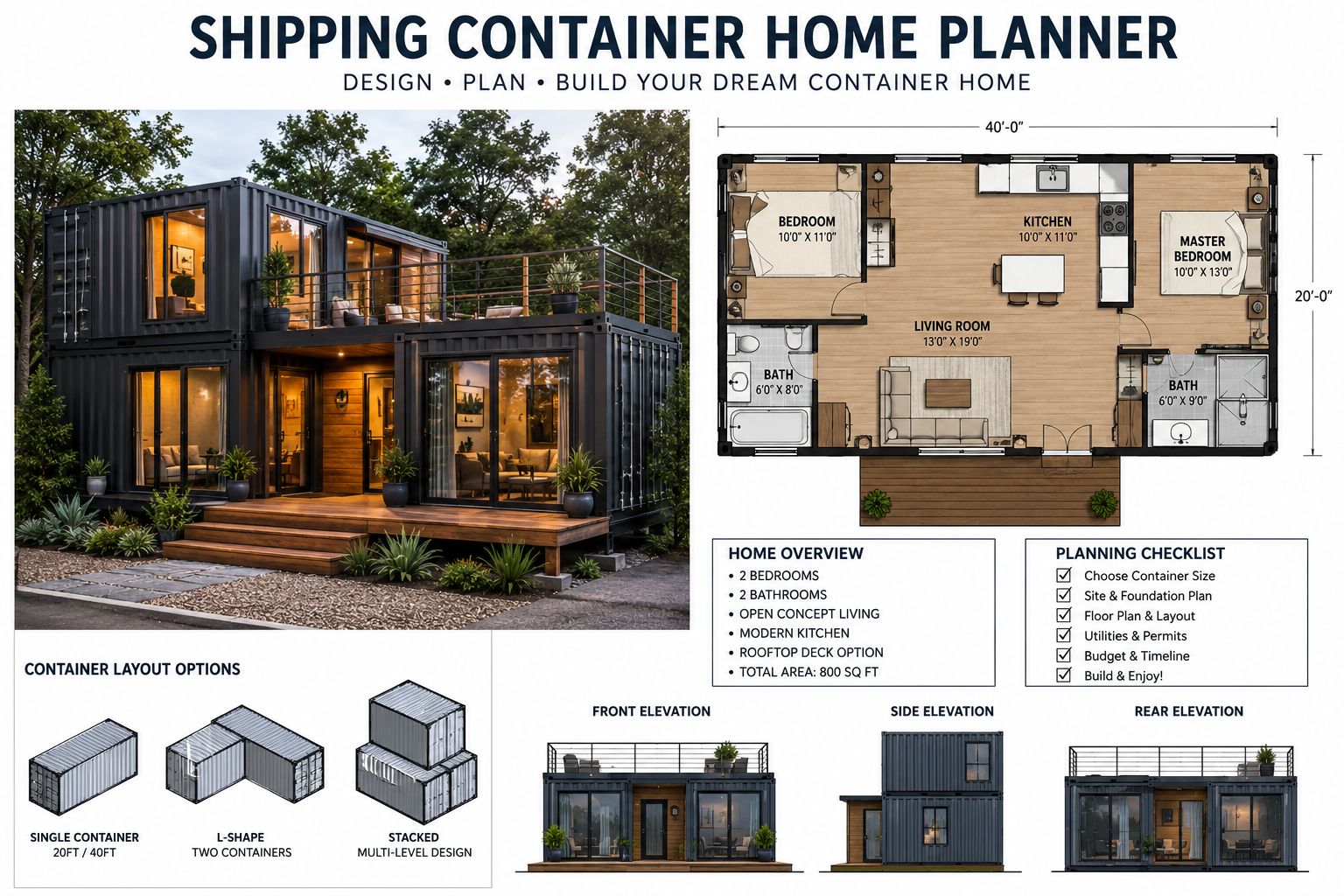
Shipping Container Home Planner: The Ultimate Guide to Designing Your Dream Container Home
The popularity of shipping container homes has surged in recent years as homeowners seek affordable, sustainable, and innovative housing solutions. However, creating a successful container home requires careful planning and design. This is where a shipping container home planner becomes an invaluable tool.
Whether you’re building a compact tiny home, a modern family residence, or a luxury container retreat, a shipping container home planner can help streamline the process and turn your vision into reality.

What Is a Shipping Container Home Planner?
A shipping container home planner is a specialized planning tool, software, or professional service designed to help homeowners, architects, and builders create customized container home designs. These planners assist with everything from floor plans and layouts to budgeting, structural modifications, and permit requirements.
By using a shipping container home planner, you can visualize your project before construction begins, helping you avoid costly mistakes and optimize your home’s functionality.
Why You Need a Shipping Container Home Planner
Better Space Utilization
Shipping containers have fixed dimensions, making efficient space planning essential. A planner helps maximize every square foot by creating practical room layouts, storage solutions, and open living spaces.
Accurate Budgeting
One of the biggest challenges in any construction project is managing costs. A shipping container home planner can help estimate expenses related to:
- Container purchases
- Site preparation
- Foundation work
- Insulation
- Utilities
- Interior finishes
- Labor costs
This allows homeowners to make informed financial decisions before breaking ground.
Improved Design Visualization
Modern planning tools often include 3D rendering capabilities that allow you to see your future home from multiple angles. This visualization makes it easier to evaluate design choices and make adjustments before construction begins.
Building Code Compliance
Container homes must comply with local building regulations and zoning requirements. A shipping container home planner can help ensure your project meets safety standards and permit requirements.
Key Features of a Shipping Container Home Planner
Floor Plan Creation
A quality planner enables you to design:
- Single-container homes
- Multi-container layouts
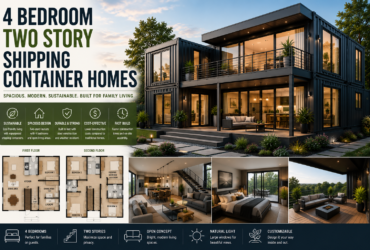
- Multi-story structures
- Open-concept living spaces
- Custom room arrangements
Structural Planning
Since container modifications often involve cutting walls, doors, and windows, structural planning is critical. Planners help determine where reinforcements may be needed to maintain structural integrity.
Utility Layouts
Planning electrical systems, plumbing, HVAC, and insulation is easier with dedicated container home planning tools. Proper utility placement can improve efficiency and reduce installation costs.
Sustainability Features
Many homeowners choose container homes for their environmental benefits. A shipping container home planner can incorporate:
- Solar panel systems
- Rainwater harvesting
- Energy-efficient windows
- Green roofing options
- Sustainable building materials
Popular Shipping Container Home Layout Ideas
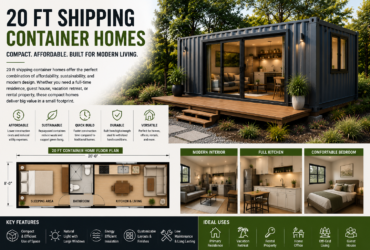
Tiny Container Homes
Single-container homes offer a minimalist lifestyle with lower construction and maintenance costs. These layouts often include:
- Studio-style living areas
- Compact kitchens
- Convertible furniture
- Smart storage solutions
Family-Friendly Designs
Multiple containers can be combined to create spacious homes with:
- Three or more bedrooms
- Large kitchens
- Home offices
- Outdoor living areas
Luxury Container Residences
Luxury designs focus on high-end finishes, expansive glass walls, rooftop terraces, and smart home technology while maintaining the industrial charm of container construction.
Steps to Plan a Shipping Container Home
1. Define Your Goals
Determine how the home will be used:
- Primary residence
- Vacation home
- Rental property
- Guest house
- Home office
2. Establish a Budget
Set a realistic budget that includes construction, permits, utilities, landscaping, and contingency funds.
3. Select Container Sizes
The most common options are:
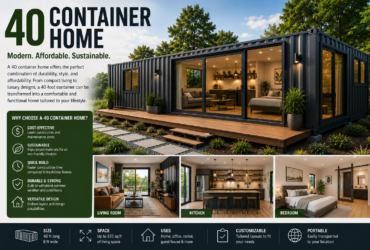
- 20-foot containers
- 40-foot containers
- High-cube containers for additional ceiling height
4. Design the Layout
Use a shipping container home planner to create an efficient floor plan that meets your lifestyle needs.
5. Review Local Regulations
Research zoning laws, building permits, and construction codes before starting the project.
6. Finalize Construction Plans
Work with architects, engineers, and contractors to finalize structural and technical details.
Common Mistakes to Avoid
When using a shipping container home planner, avoid these common pitfalls:
- Underestimating insulation needs
- Ignoring ventilation requirements
- Overlooking transportation costs
- Failing to obtain permits
- Choosing inefficient layouts
- Neglecting future expansion possibilities
Proper planning helps prevent delays and unexpected expenses.
Benefits of Professional Shipping Container Home Planning Services
While DIY planning tools can be useful, professional planners bring expertise that can significantly improve your project’s success. Professional services often provide:
- Customized designs
- Engineering support
- Permit assistance
- Cost analysis
- Construction documentation
Their experience can save time, money, and frustration throughout the building process.
The Future of Shipping Container Home Planning
Advancements in architectural software and modular construction technology continue to improve the planning process. Today’s shipping container home planners offer more accurate visualizations, energy-efficiency modeling, and virtual design experiences than ever before.
As container housing grows in popularity, planning tools will play an increasingly important role in helping homeowners create sustainable and functional living spaces.
Conclusion
A shipping container home planner is an essential resource for anyone considering container home construction. From budgeting and design to compliance and sustainability, proper planning lays the foundation for a successful project. Whether you’re building a cozy tiny home or a spacious modern residence, investing time in thoughtful planning can help transform a simple shipping container into a comfortable and stylish home.